S05 E05: The leadership behaviours that decide employee experience during change
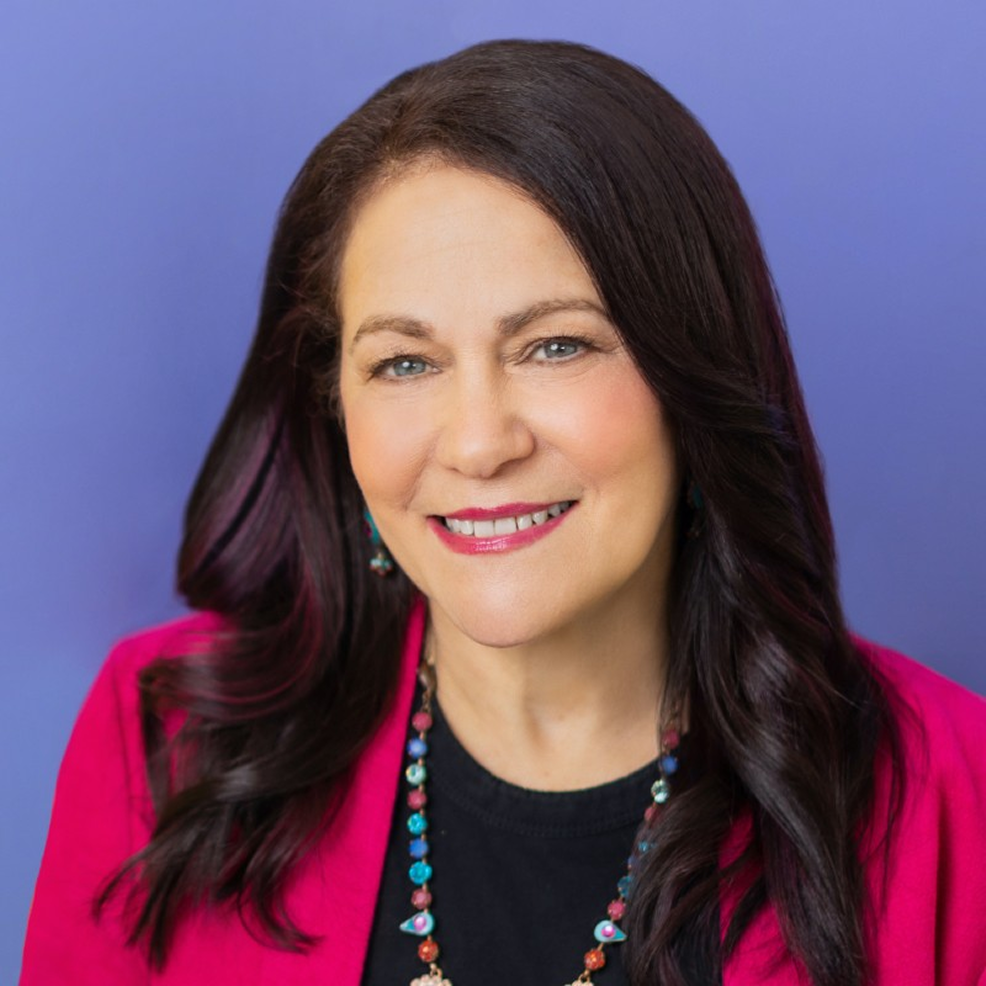
In S05 E05 of CultureClub X powered by CultureMonkey, host Jodie O’Brien speaks with Debra Corey, award-winning HR leader, founder of Step It Up HR, and bestselling author, about the leadership behaviors that shape employee experience during change.
As organizations face continuous transformation, leaders often focus on strategy and execution. This conversation highlights a different truth: employee experience during change is largely determined by leadership awareness, personalization, and the ability to convert feedback into meaningful action.
About Debra
Debra Corey is an award-winning HR leader and founder of Step It Up HR. With more than two decades in human resources across industries and geographies, she now works as a consultant, speaker, trainer, and author helping organizations build impactful people strategies and cultures.
As Chief Pay it Forward Officer, Debra’s work focuses on equipping leaders to navigate change while creating workplaces where employees feel valued and empowered. She is a six-time bestselling author and a globally recognized engagement thought leader.
Her perspective on leadership is shaped by hands-on experience navigating complex cultural transitions, learning from leadership mistakes, and challenging traditional HR approaches to build more human-centered workplaces.
Here’s the gist of what Debra covers in this video
- Leaders must create stability during change by reinforcing mission, vision, and values so employees remain grounded amid uncertainty.
- Effective leadership requires multiple behavioral tools, since different people and change moments demand different leadership approaches.
- Fear of becoming obsolete can be reduced through curiosity, continuous learning, and openness to experimentation with new ideas and technologies.
- Personalization improves engagement and retention by helping leaders understand individual employee needs rather than defaulting to familiar management styles.
- Awareness is the starting point for leadership growth, and feedback data helps leaders understand their real impact on teams.
- The leadership improvement journey follows Awareness → Acceptance → Action, where analytics and feedback accelerate behavior change.
- Employee engagement is a shared responsibility, requiring leaders to create safe voice environments while employees actively own development and feedback.
- Great leadership blends humility, bravery, and genuine care for people, creating cultures that remain memorable and influential over time.
Catch all this and more with Debra Corey in S05 E05 of CultureClub X.
Transcript
Jodie O’Brien: Hello everyone and welcome to the latest episode of Culture Club X powered by CultureMonkey. I'm your host Jodie.
CultureMonkey is an AI powered employee engagement platform that helps organizations listen to their people, understand workplace sentiment and build stronger high performing cultures.
CultureClub X is our global thought leadership video cast where HR and business leaders share knowledge, best practices, and practical experiences on building stronger workplace cultures.
In the fifth episode of this season of CultureClub X, we're pleased to feature Debra Corey. She's an award-winning HR leader and founder of Step It Up HR. Welcome, Debra. It's wonderful to have you here today.
Debra Corey: Thank you for inviting me.
Jodie O’Brien: Debra brings over 20 years of experience as an award-winning HR leader and now works as a consultant, speaker, leader, trainer, and author. As Chief Pay It Forward Officer at Step It Up HR, she helps organizations build people's strategies and cultures that truly create impact from leadership to employees, all while equipping leaders to meet the changing needs of their businesses and their people.
She's also a six-time bestselling author and a recognized global thought leader named among the top 101 global engagement influencers for eight consecutive years and HR's most influential thinkers. Through her consulting and leadership workshops, she helps organizations create modern HR practices and workplaces where people feel valued and do their best work.
Driven by her mission to pay it forward, Debra works closely with leaders to create meaningful and lasting change aligned with each organization's unique culture and strategy, helping them build environments where employees feel empowered.
She is also a strong advocate for rethinking how HR supports people and organizations in today's changing workplace, championing more human-centered approaches and encouraging leaders to revolutionize traditional HR practices for a better world of work.
Debra, it really truly is a pleasure to have you with us and welcome again to CultureClub X video cast on leadership moves that make or break employee experience during change.
Before we begin, Debra, could you just briefly tell us more about yourself and the work that you're currently focused on?
Debra Corey: Sure. So I've been in HR my entire career, which has been over 20 years. So I think it would take the entire episode if I told you everything about me. So I normally break it down into three phases.
The first is my traditional HR started out in the US in various HR roles. Then my second phase, I call my rebel phase. I moved over to Europe and I started really questioning and challenging some of the things that I had done and other people had done working in lots of different industries and different types of roles.
And then now you mentioned my job title. Now I'm in my pay it forward phase, which is all about trying to write as many books as possible to get information out there, write blogs, participate in amazing opportunities like this, having interviews and working with clients.
I love the word you used before - rebelutionize. That came from my second book, which is called the rebel playbook. We came up with that term rebelutionize. So yeah, that's what I'm doing.
I work with, again, lots of different clients in different situations, scenarios, industries. And I just love the whole idea of supporting people and driving change.
Jodie O’Brien: That's amazing and wonderful to hear. So with your experience helping organizations navigate people and culture challenges, this is a perfect moment to dive into today's conversation. So let's go ahead and get started.
During change, which leadership behaviors help employees feel supported and what mindset shifts good intentions into real impact?
Debra Corey: You know, I have two areas that I think leaders need to focus on around change. First of all, when people are going through change, you need some sense of stability. With everything going on around you, you need to be centered somewhere.
During the pandemic, I had this picture of somebody on a tightrope balancing all these balls. It's the idea that leaders need to reinforce mission, vision, and values so people know what the organization stands for and what it's trying to achieve.
Then depending on the change itself or your individual people, leaders need to bring out the best behaviors to support employees where they are and what works best for them.
My most recent book includes a leadership model called the Great Boss Building Block Model. There are 14 building blocks. The reason I highlight that is because not one building block works for every person at every moment.
Leaders need multiple tools in their toolkit and must understand which tool to use at the right time.
I always joke about this with a gardening analogy. I live in the UK where people love gardening, but I use the same gardening tool for everything. My husband always tells me I'm using the wrong tool and breaking it.
That’s exactly what leaders shouldn’t do. The right tool and the right behavior must match the right situation and the right person.
Jodie O’Brien: I'm so curious. What is the tool?
Debra Corey: It's one of those little three-pronged tools. The short one. I just hack at the ground with it and use it for everything. I've broken so many that my husband keeps buying new ones, but I always go back to the same comfortable tool.
There's probably a lesson in there somewhere — maybe hire a gardener.
Jodie O’Brien: That’s such a great point though. We often rely on the same leadership tool when we actually have many options available.
Tell us a little about your journey breaking into HR and how you ended up in this field.
Debra Corey: I actually fell into HR. I had multiple majors in college and was doing competitive gymnastics, which meant I kept changing my direction.
Eventually I landed on communications and psychology. During my final year of university I took a part-time HR job, and I absolutely loved it. After graduation they offered me a full-time role and I stayed there for five years.
Then my boss did something unexpected — she fired me. She said everyone else had been there forever but she believed I had much more potential. She called it the gift of being fired because it pushed me outside my comfort zone.
That moment changed everything for me. I went on to explore multiple industries, roles, and opportunities. Along the way I made plenty of mistakes, or what Gary Ridge calls learning moments. Those learning moments are what help you grow.
Jodie O’Brien: We're hearing more about FOBO — the fear of becoming obsolete. How can leaders address that while still driving transformation?
Debra Corey: Everyone feels insecure sometimes, especially with technology evolving so quickly. But technology won't replace leaders who stay curious and continue learning.
That’s why I constantly push new ideas and publish new material. It keeps me current and encourages others to learn as well.
Leaders who stay curious, question assumptions, and experiment with new ideas will not fall behind. And the truth is, no leader will ever be perfect.
The real advantage comes from understanding yourself and understanding your people. That's how leaders stay ahead.
Jodie O’Brien: If a leader listening today could change one thing tomorrow to improve engagement and retention, what would it be?
Debra Corey: Personalization. I learned this lesson the hard way.
When I first moved from the US to the UK early in my leadership career, I managed my team the way I had been managed before. After a few months an employee told me they had a “Debra Corey support group” where people met weekly to talk about how I made them cry.
That moment taught me something critical: leaders must build awareness. They need to constantly look at the impact they have on their people and adjust accordingly.
Leadership cannot be one-size-fits-all. People have different needs and leaders must adapt.
Jodie O’Brien: Your book is titled Bad Bosses Ruin Lives. Why such a bold title?
Debra Corey: I’m normally a very optimistic person, so the title felt uncomfortable. But the phrase came from reflecting on a difficult leadership experience earlier in my career.
A bad boss can deeply affect someone's life. Work stress doesn't magically disappear when you leave the office. I wanted the title to make people uncomfortable enough to reflect and change.
Sometimes discomfort is necessary for growth.
Jodie O’Brien: You talk about awareness, acceptance, and action. How can analytics and feedback tools help leaders move through that process?
Debra Corey: That’s where the real magic happens. Data creates awareness and acceptance. Without those two steps, leaders rarely change their behavior.
Too often HR sends leaders to development programs without helping them understand why they need them. When leaders see data about their impact, they can reflect honestly and begin making meaningful changes.
Feedback and survey insights allow leaders to look in the mirror and identify what needs improvement. That awareness becomes the catalyst for action.
Jodie O’Brien: Looking back, is there a leader you would want to emulate?
Debra Corey: Yes, my most recent CEO. He challenged my thinking constantly while genuinely caring about people.
Employees who worked with him years ago still talk about the culture he created. Leaders like that demonstrate that HR cannot shape culture alone — leadership must be fully involved.
Jodie O’Brien: What made him such an effective leader?
Debra Corey: He combined humility, bravery, and genuine care for people. He wasn’t afraid to challenge ideas, but he always prioritized people and culture.
That balance is incredibly powerful.
Jodie O’Brien: If you had to describe a great employee, what would that look like?
Debra Corey: Engagement is a partnership. Employees must take responsibility for their development and feedback.
Leaders should create safe environments where employees feel comfortable speaking up, but employees must also actively participate in shaping their experience.
Jodie O’Brien: Thank you for sharing those insights today. Your perspective shows how leadership behavior shapes employee experience during times of change.
At CultureMonkey, we help organizations use employee feedback and analytics to drive meaningful action and strengthen workplace culture.
Debra, thank you again for joining us on CultureClub X. Before we wrap up, could you tell our viewers how they can connect with you?
Debra Corey: The easiest way is LinkedIn. I’m always open to connecting there. You can also visit the Step It Up HR website where I share blogs, newsletters, and free resources.
Jodie O’Brien: Thank you again for joining us. And to our viewers, thank you for tuning in. Don’t forget to like, subscribe, and share this episode.
Until next time, this is your host Jodie signing off.